
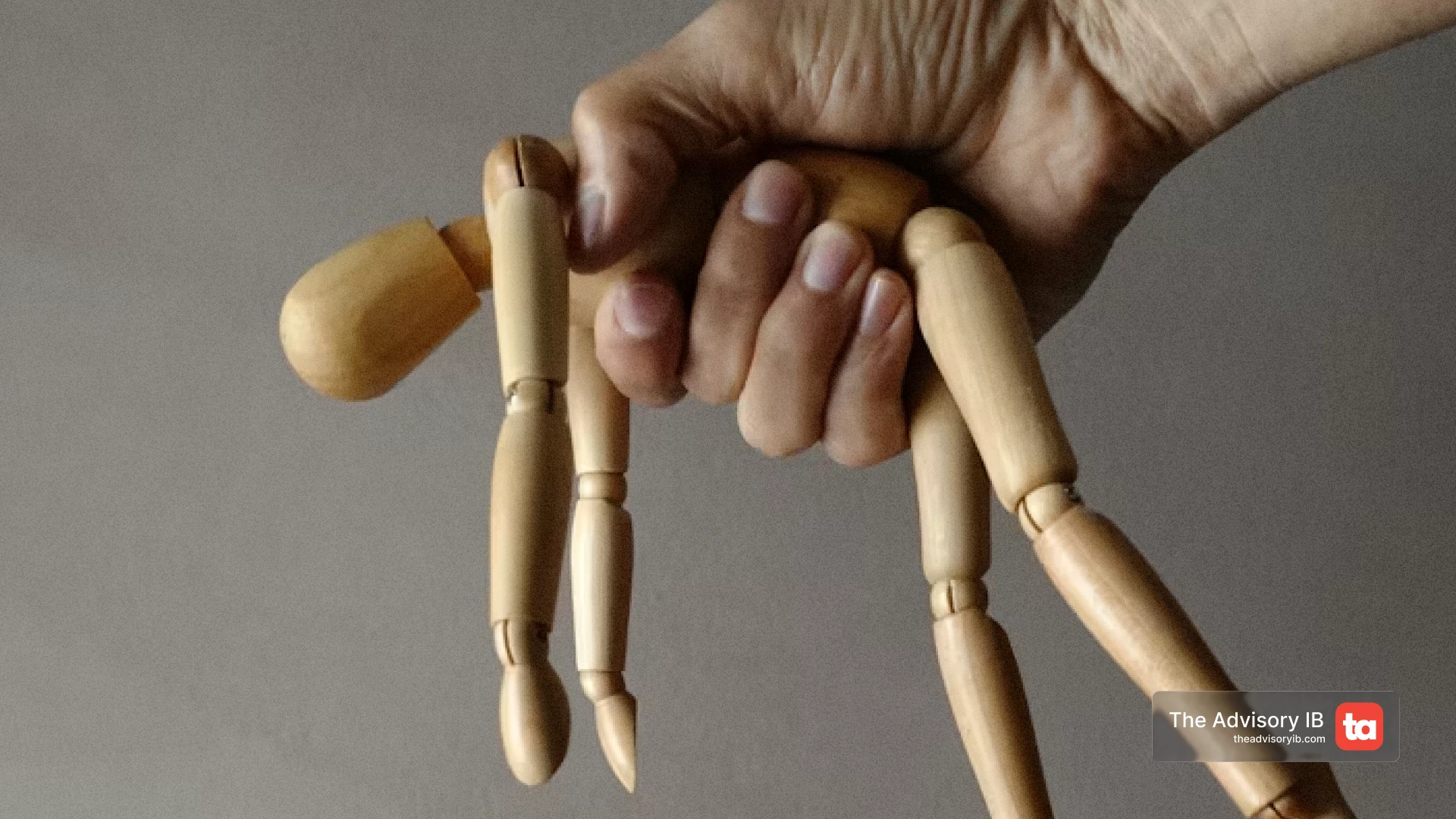
For many pest control business owners, the business is more than just a job—it’s a personal legacy built on years of late-night service calls and handshake deals. However, there is a hidden trap that often devalues these companies when it’s time to exit: Owner Dependency.
If you are the only one who knows the specific routing quirks of your highest-paying commercial accounts, or if your technicians wait for your text message to decide how to handle a complex termite infestation, your business isn’t yet an asset—it’s a high-paying job. To achieve a maximum valuation, you must transition from being the “Operator-in-Chief” to the “Strategic Visionary.”
In this guide, we’ll explore why owner dependency kills deals and the step-by-step process to fix it before you hit the market.
Why Owner Dependency is a “Deal Killer”
In the pest control industry, buyers (especially private equity firms and strategic acquirers) are looking for predictable, transferable cash flow. When a business relies too heavily on the owner, that cash flow is at risk the moment the owner walks away.
1. The Risk of Customer Attrition
If your “Route 1” customers stay with you because they’ve known you for 20 years, a buyer sees a high risk of churn post-sale. Buyers want to see that customers are loyal to the brand and the service quality, not just the individual.
2. Operational Bottlenecks
If every major decision—from fleet maintenance to chemical purchasing—requires your approval, the business cannot scale. This “hub-and-spoke” model suggests that without you at the center, the wheel stops turning.
3. Lower Valuation Multiples
Owner-dependent businesses typically command lower EBITDA multiples. A pest control company that runs itself might sell for a 5x–7x multiple, whereas one tied to the owner might struggle to reach 3x.

5 Steps to Fixing Owner Dependency
To prepare your pest control business for a smooth transition, follow these five strategic steps.
1. Document Your Standard Operating Procedures (SOPs)
Knowledge that exists only in your head has zero value to a buyer. You must document every facet of your operations:
- Technician Protocols: Exactly how a quarterly service is performed.
- Sales Scripts: How leads are handled from the first call to the signed contract.
- Billing & Collections: The automated or manual steps for ensuring cash flow.
- Chemical Inventory: The “what, where, and how” of your supply chain.
2. Empower a “Second-in-Command”
You don’t necessarily need a massive C-suite, but you do need a Lead Technician or Office Manager who can run the day-to-day without calling you. Start by delegating small decisions, then move to larger operational tasks. If you can take a two-week vacation without checking your email, your business is ready to sell.
3. Shift Customer Relationships to the Brand
Introduce your technicians as the “experts” to your long-term clients. Ensure that all communication, from service notifications to invoices, comes from the company name rather than your personal email or phone number.
4. Implement Industry-Specific Software
Using a specialized Pest Control Management (PCM) software like PestPac or FieldRoutes creates a “digital paper trail” of your routes, chemical usage, and customer history. This data is gold for a buyer during due diligence.
5. Transition to Recurring Revenue Models
The more your business relies on “one-time” calls that you personally close, the more dependent it is on you. Focus on building year-round protection plans. High recurring revenue is the ultimate sign of a self-sustaining business.
Measuring Your Progress: The “Acid Test”
To see how owner-dependent you are, ask yourself these three questions:
- Can the business function for 30 days without my physical presence?
- Does the staff have the authority to issue a refund or resolve a complaint without me?
- Are all service routes and customer notes documented in a system accessible to everyone?
If the answer to any of these is “no,” it’s time to start the value enhancement phase of your exit strategy.

The Role of Strategic Advisory
Fixing owner dependency isn’t just about “working less”—it’s about strategic growth. At The Advisory IB, we specialize in helping essential service providers, particularly in the pest control vertical, identify these operational gaps and close them well before the Letter of Intent (LOI) arrives.
Whether you are looking to sell in six months or three years, the work you do today to remove yourself from the “front lines” will pay dividends in your final purchase price.
FAQs on Owner Dependency
How long does it take to fix owner dependency?
Typically, it takes 12 to 24 months to fully transition a “hub-and-spoke” business into a system-driven organization that is ready for a private equity or strategic exit.
Will I have to stay on after the sale?
If the business is highly owner-dependent, the buyer will likely require a long “earn-out” period where you must stay on for 1–3 years. Reducing dependency now allows for a shorter transition period and more cash at closing.
Does technology really increase business value?
Yes. Technology acts as a “single source of truth.” It proves to the buyer that the business’s success is based on data and systems, not just the owner’s intuition.
Ready to see what your pest control business is worth? Contact The Advisory IB for a confidential valuation and exit readiness assessment.