


Selling a pest control business represents the culmination of years—often decades—of hard work, early mornings, and relentless customer service. Whether you operate a residential route-based company, a commercial pest management operation, or a specialized wildlife control enterprise, the modern M&A market for pest control services is exceptionally active. Private equity platforms, regional consolidators, and national players actively compete for well-run operations, regularly paying premium valuations ranging from 5-10x EBITDA.
However, reaching a signed Letter of Intent (LOI) is only the beginning of the deal process. The journey from LOI to closing the deal is where real value is preserved or lost. Navigating financial due diligence, legal contracts, route audits, and post-closing transitions requires a structured approach and strategic advisory.
This comprehensive guide breaks down the critical phases of the M&A process for pest control owners, offering actionable insights to help you protect your purchase price, minimize risk, and successfully navigate the transaction from LOI to close.
Understanding the LOI in Pest Control M&A
A Letter of Intent (LOI) is a legal document that outlines the preliminary terms of a business sale. While most provisions of an LOI are non-binding, it serves as the roadmap for the entire transaction and establishes exclusivity between the seller and buyer.
Letter of Intent (LOI)
Non-Binding Terms:
- Enterprise Value
- Purchase Price Multiple
- Deal Structure (Cash/Sellers Note)
- Key Working Capital Targets
Binding Terms:
- Exclusivity (No-Shop)
- Confidentiality (NDA)
- Access to Records
- Exclusivity Expiration
Key Components of an LOI
- Purchase Price and Multiples: Specifies the overall valuation, typically expressed as a multiple of adjusted EBITDA. In today’s market, pest control businesses generally command multiples between 5-10x EBITDA, depending on recurring revenue percentage, route density, and growth rate.
- Deal Structure: Defines how the purchase price will be paid—including upfront cash at closing, seller notes, rollover equity, and earn-out provisions.
- Exclusivity Period (No-Shop Clause): Prohibits the seller from negotiating with other potential buyers for a specified timeframe (typically 60 to 90 days).
- Working Capital Target: Establishes the required net working capital (NWC) that must remain in the business at closing.
- Key Conditions Precedent: Outlines required regulatory approvals, licensing transfers, and financing contingencies.
What Pest Control Sellers Must Negotiate Before Signing
Once an LOI is signed, your leverage as a seller decreases significantly because the exclusivity clause prevents you from shopping the business. Therefore, critical terms must be negotiated before signing:
- Define Adjusted EBITDA Clearly: Ensure all seller add-backs (e.g., owner’s above-market salary, personal auto expenses, one-time legal fees) are formally accepted in writing.
- Cap Working Capital Requirements: Prevent buyers from setting an artificially high working capital target that effectively reduces your net payout.
- Limit Earn-Outs: Structure as much of the valuation into upfront cash or guaranteed notes rather than contingent earn-outs tied to post-sale performance.
- Define Key Employee Retention Requirements: Establish clear parameters around which team members (such as certified applicators or route managers) must remain with the firm for the deal to close.
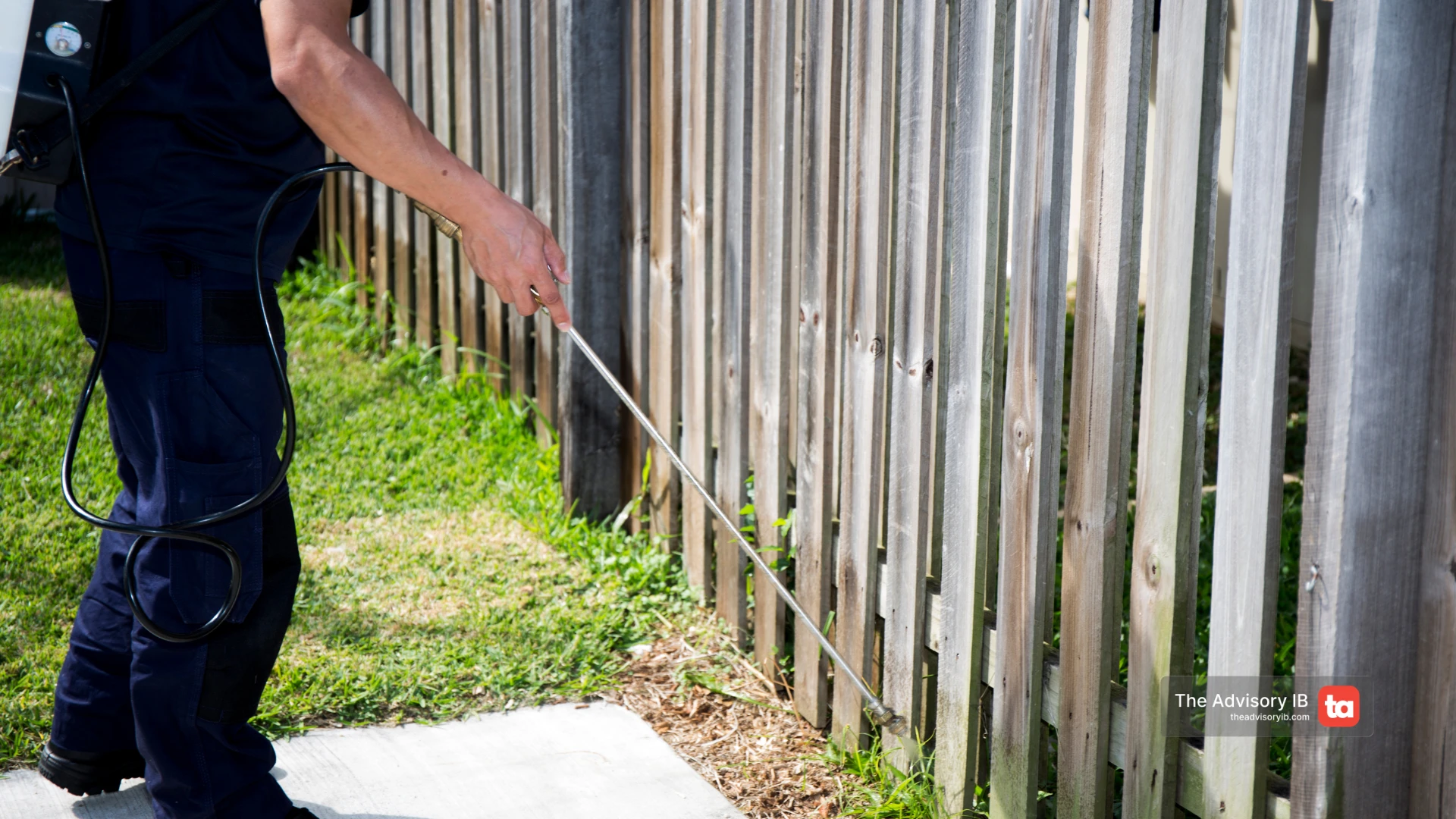
The Due Diligence Phase: What Pest Control Buyers Look For
Due diligence is the rigorous audit conducted by the buyer’s financial, legal, and operational teams to verify the information presented during initial negotiations. For pest control firms, due diligence focuses heavily on recurring revenue quality, compliance, and route density.
1. Financial Due Diligence & Quality of Earnings (QofE)
Buyers almost always commission an independent Quality of Earnings (QofE) report. This deep dive scrutinizes monthly financial statements, tax returns, and revenue recognition policies.
- Recurring Revenue vs. One-Time Services: Buyers favor recurring residential pest control (monthly, bi-monthly, or quarterly service agreements) over one-time bed bug or wildlife treatments. High-value firms often maintain 70%+ recurring revenue profiles.
- EBITDA Add-Back Substantiation: Every add-back must be backed by clear documentation (receipts, personal expense logs, tax schedules). Unsubstantiated add-backs will be rejected, directly lowering your final payout based on your 5-10x EBITDA multiple.
2. Operational & Route Density Analysis
Pest control profitability is driven by technician efficiency and geographical density. During due diligence, buyers evaluate:
- Stop Density & Vehicle Utilization: Miles driven per technician vs. revenue generated per route.
- Software Data Extraction: Clean reporting from field management platforms like FieldRoutes, PestPac, or Briostack.
- Equipment & Fleet Condition: Age and maintenance history of trucks, sprayers, and specialized gear.
3. Regulatory, Environmental, and Licensing Compliance
Pest control operates in a heavily regulated environment overseen by state departments of agriculture and the U.S. Environmental Protection Agency (EPA). Buyers examine:
- Commercial Applicator Licenses: Ensuring the business has designated Master Applicators or Qualified Operators on staff.
- Chemical Handling & Storage Logs: Verification that storage facilities meet state spill containment and chemical reporting standards.
- Termite Warranty & Damage Claims: Historical logs of termite inspection agreements, repair guarantees, and open claims.
4. Customer Contracts & Retention Rates
Buyers audit customer churn rates and contract transferability:
- Customer Concentration: No single commercial account should represent more than 5–10% of total revenue.
- Contract Assignability: Reviewing whether customer service agreements contain change-of-control or assignability provisions.
Valuations & Financial Structuring in Pest Control M&A
Understanding valuation drivers allows sellers to position their business for the upper end of market multiples.
Key Factors Expanding Your EBITDA Multiple
To command a valuation at the top of the 5-10x EBITDA benchmark, buyers evaluate several core factors:
- Commercial vs. Residential Mix: A healthy balance of long-term commercial contracts (hospitals, schools, food processing plants) alongside dense residential routes.
- Auto-Pay & Digital Billing Adoption: High percentages of residential clients on auto-credit card billing or ACH payments significantly reduce accounts receivable risks.
- Technician & Retention Metrics: Low employee turnover in an industry facing labor shortages increases overall company stability.
Definitive Purchase Agreements & Legal Documentation
Once due diligence is substantially complete, the transaction shifts to drafting and negotiating definitive legal agreements.
1. Asset Purchase Agreement (APA) vs. Stock Purchase Agreement (SPA)
Most pest control M&A transactions are structured as Asset Purchase Agreements (APA) rather than Stock Purchase Agreements (SPA).
- APA (Asset Purchase): The buyer purchases specific assets (customer lists, equipment, vehicles, phone numbers, trade names) and leaves behind historical liabilities. Buyers prefer APAs for tax depreciation advantages (stepping up asset bases).
- SPA (Stock Purchase): The buyer purchases the legal entity itself. Sellers often prefer SPAs due to lower capital gains taxes, but buyers rarely agree unless there are compelling licensing or contract assignment reasons.
2. Key Representations and Warranties (Reps & Wars)
Representations and warranties are legally binding statements made by the seller regarding the state of the business. Typical reps and wars in pest control deals cover:
- Accuracy of financial statements.
- Environmental compliance and chemical disposal.
- Absence of pending litigation or unrecorded termite damage claims.
- Proper worker classification (W-2 employees vs. 1099 contractors).
To mitigate long-term liability, sellers should work with legal counsel to secure Representation & Warranty Insurance (R&W Insurance) or establish strict liability caps and indemnification baskets in the contract.
3. Non-Compete and Non-Solicitation Agreements
Buyers paying premium multiples will require owners and key management to sign non-compete agreements. Standard terms include:
- Duration: 3 to 5 years post-closing.
- Geographic Scope: A specific radius (e.g., 50–100 miles) around existing service territories.
- Restricted Activities: Prohibiting starting, investing in, or consulting for competing pest control or wildlife management entities.
The Closing Process & Smooth Transition Planning
The closing process represents the final transition of ownership, funds transfer, and operational handoff.
1. State Licensing and Regulatory Transfers
Pest control state licensing laws vary significantly by jurisdiction. In many states, a business cannot operate without a designated Qualifying Party or Master Applicator.
- Transitional Licenses: Ensure the buyer has qualified license holders ready to step in at close or execute a temporary management agreement while licenses transfer.
- Pesticide Registration: Notify state departments of agriculture regarding ownership shifts and chemical applicator records updates.
2. Employee and Customer Communication Strategy
Maintaining team morale and customer retention is vital during ownership handoffs:
- Key Employee Retention Bonuses: Structure stay bonuses for key certified applicators and operations managers to ensure stability during the transition.
- Customer Messaging: Roll out transparent communication explaining that service schedules, pricing, and technicians will remain consistent.
3. Working Capital True-Up
After closing, a formal audit compares the actual net working capital delivered at close against the target agreed upon in the LOI. If delivered working capital exceeds the target, the buyer pays the seller the difference; if it falls short, funds are deducted from an escrow holdback.

How The Advisory IB Maximizes Your Pest Control Sale
Navigating an M&A transaction requires deep industry knowledge, financial expertise, and aggressive negotiation. Partnering with an experienced investment banking firm ensures your business is properly positioned, fully defended during due diligence, and structured to achieve maximum deal value.
The Advisory IB specializes in helping middle-market service business owners navigate complex M&A transactions. Our team provides comprehensive sell-side advisory services designed to maximize market competitive interest:
- Valuation & Preparation: Conducting thorough pre-sale preparation to identify risks early and justify valuation multiples between 5-10x EBITDA.
- Targeted Buyer Access: Connecting your business with top strategic consolidators and private equity groups actively seeking pest control acquisitions through our specialized Find Buyers Services.
- Comprehensive Advisory: Offering tailored guidance across Business Sale Preparation and expert guidance on Selling to Private Equity.
If you are considering an exit or want to understand what your pest control business is worth in today’s M&A market, explore our specialized Pest Control M&A Advisory Services or reach out to our team today.
Frequently Asked Questions (FAQs)
What is the current EBITDA multiple for pest control companies?
Pest control businesses typically trade at 5-10x EBITDA. Smaller route-based operations generally fall in the 5-6.5x range, mid-sized companies with strong route density trade between 6.5-8.5x, and large regional platform companies can command 8.5-10x+ EBITDA.
How long does it take to close a pest control business sale after signing an LOI?
The process from LOI to close generally takes 60 to 90 days. This timeframe allows for detailed financial quality of earnings audits, legal drafting of purchase agreements, customer contract reviews, and state pesticide licensing transfers.
What is the difference between an Asset Sale and a Stock Sale in pest control M&A?
In an Asset Sale, the buyer acquires specific assets such as customer contracts, equipment, routes, and brand IP, leaving historical liabilities with the seller. In a Stock Sale, the buyer purchases the legal corporation itself. Most pest control transactions are structured as asset sales for tax and liability mitigation purposes.
Why do pest control buyers perform a Quality of Earnings (QofE) report?
A QofE report verifies the accuracy of a seller’s financial statements, ensuring that EBITDA figures are sustainable and backed by verifiable recurring customer revenue, accurate expense reporting, and substantiated add-backs.
How are termite warranties handled during a business sale?
Termite warranties represent potential long-term damage liabilities. During due diligence, buyers inspect historical claim logs, active warranty contracts, and insurance coverage. Warranties are typically transferred to the buyer, though specific indemnity provisions or holdbacks may be negotiated.
Strategic Takeaways for Pest Control Business Owners
- Prepare Early: Clean up financial records, field software logs, and state licensing compliance at least 12–24 months before launching a sale process.
- Protect Your Multiple: Substantiate all EBITDA add-backs thoroughly to defend your 5-10x EBITDA valuation multiple during Quality of Earnings audits.
- Negotiate LOI Terms Rigorously: Deal terms like working capital targets, earn-out structures, and exclusivity periods must be negotiated before signing the LOI.
- Engage Expert Advisors: Work alongside specialized investment bankers, M&A attorneys, and CPAs to ensure a smooth transition and maximize net proceeds at closing.
To start planning your exit strategy or receive a confidential business valuation, schedule a consultation with our team by visiting The Advisory.