
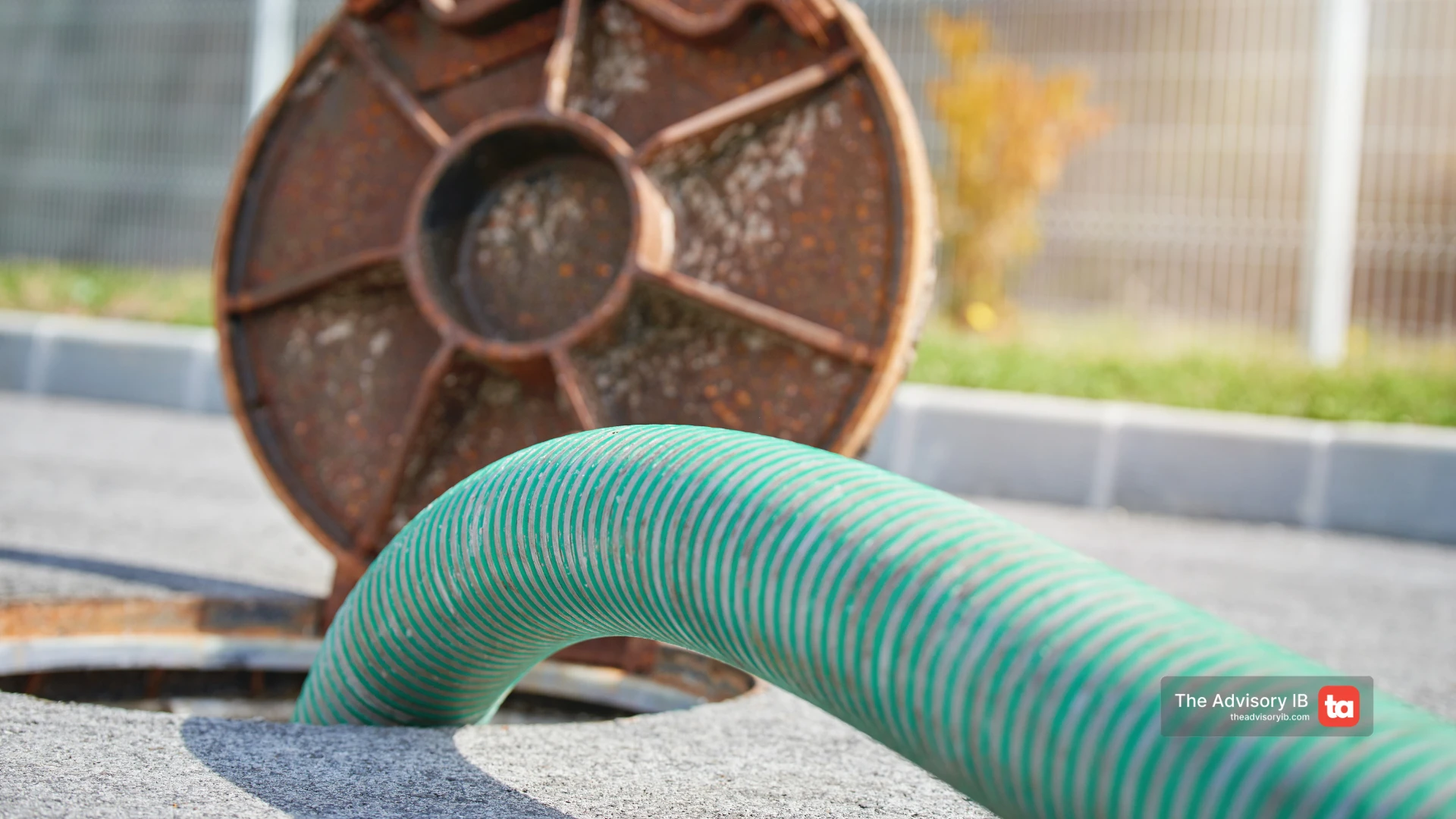
Planning the sale of a septic services business in the Greater Columbus area requires a strategic approach that blends industry-specific operational insights with regional market dynamics. From rapidly expanding suburban developments in Delaware and Fairfield counties to established residential pockets across Franklin County, demand for residential and commercial liquid waste management across Central Ohio remains exceptionally strong.
Whether you are looking toward retirement, seeking a strategic partner, or aiming to capitalize on high market demand, executing a successful exit requires careful planning, accurate financial modeling, and specialized deal structuring.
Market Landscape: Why Columbus Septic Businesses Are in High Demand
The Central Ohio region continues to experience significant industrial, commercial, and residential growth. As major infrastructure and corporate investments expand into outer-ring suburbs, wastewater management demands have surged.
Strategic acquirers and private equity groups view septic service companies as highly attractive targets due to several key factors:
- Recession-Resilient Cash Flow: Septic pumping, maintenance, grease trap cleaning, and emergency repair represent non-discretionary essential services required regardless of macroeconomic downturns.
- Recurring Revenue Streams: Commercial pumping contracts, scheduled maintenance agreements, and municipal municipal compliance contracts provide predictable, repeating cash flow.
- High Barriers to Entry: Specialized equipment fleets (vacuum trucks), strict Ohio EPA disposal permits, and scarce local disposal site capacity limit new market entrants.
- Suburban & Rural Expansion: While urban Columbus relies on municipal sewer networks, surrounding suburban corridors—including Dublin, Westerville, Sunbury, Pataskala, and Grove City depend heavily on decentralized wastewater systems.
Understanding Valuations: EBITDA Multiples for Septic Companies
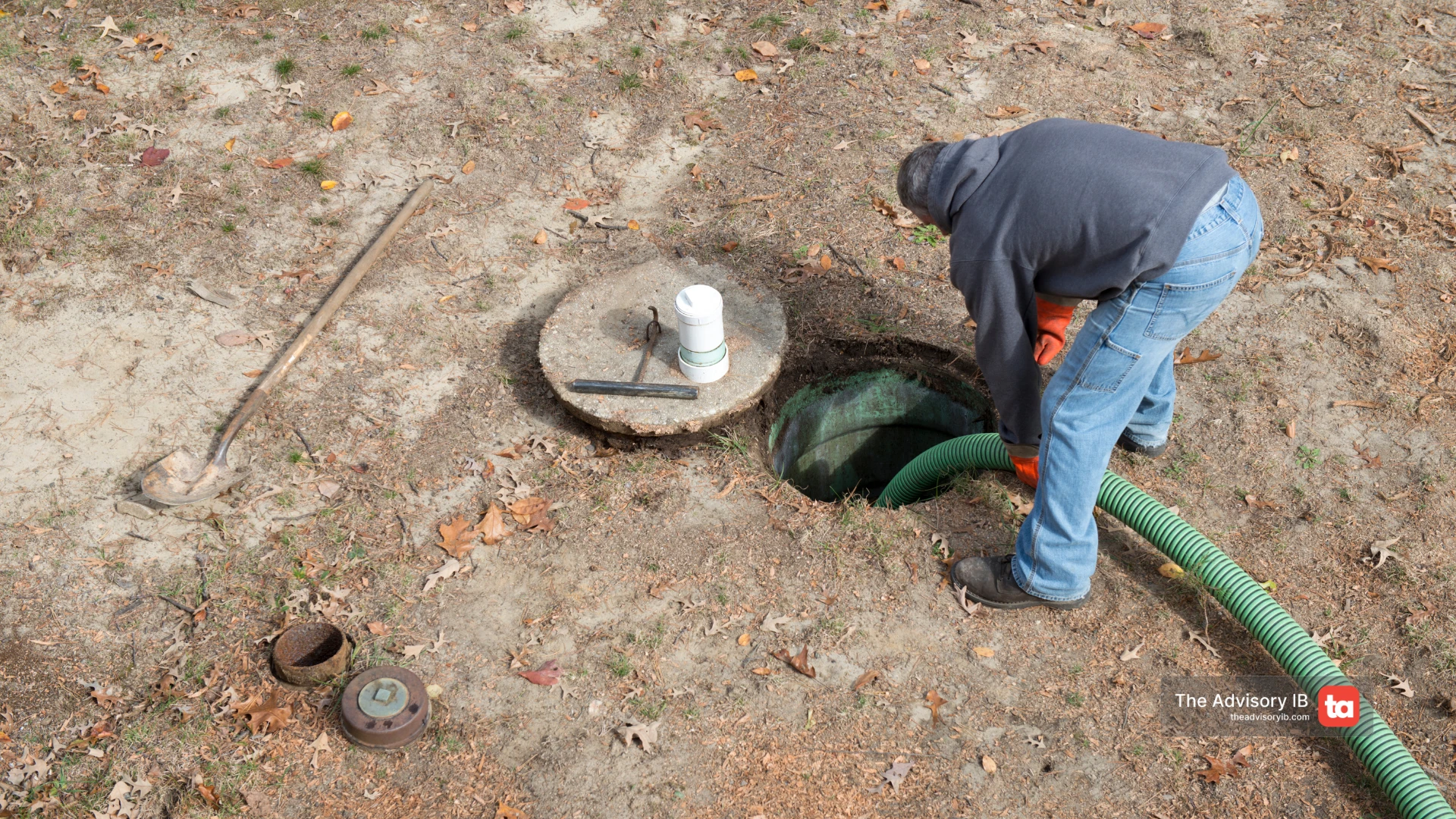
When valuing a septic and liquid waste management business in the Columbus market, buyers primarily utilize a multiple of EBITDA (Earnings Before Interest, Taxes, Depreciation, and Amortization) or SDE (Seller’s Discretionary Earnings) for smaller owner-operator businesses.
In the current market, septic service companies typically command valuations ranging between 5x and 10x EBITDA, depending on their size, scale, fleet condition, and operational sophistication.
Key Factors That Push Multiples Toward 10x EBITDA
To achieve a valuation at the upper end of the 5–10x EBITDA spectrum, buyers evaluate several core performance metrics:
- Fleet Age & Maintenance Logs: Modern vacuum trucks with clean maintenance history reduce post-acquisition capital expenditure (CapEx) requirements.
- Permitting & Environmental Compliance: Flawless compliance records with the Ohio EPA and local county health departments (such as Franklin County Public Health).
- Contracted Commercial Revenue: Long-term grease trap and liquid waste service agreements with regional restaurant chains, industrial sites, and property management firms.
- Disposal Rights & Dewatering Infrastructure: Direct access or ownership of permitted land application sites, receiving stations, or dewatering systems provides significant competitive advantages.
Key Steps to Prepare Your Business for Sale
Executing a successful sale starts long before bringing the company to market. A well-prepared business yields higher purchase prices and smooth due diligence processes.
1. Normalize Financial Statements
Ensure your financial records are clean and presented according to GAAP standards. Work with an M&A financial advisor to identify standard Add-backs and Adjustments to accurately represent true normalized EBITDA:
- Owner personal vehicle or discretionary expenses.
- One-time equipment repairs or non-recurring legal/professional fees.
- Above-market or below-market owner compensation adjustments.
Review our detailed guide on business valuation services to see how normalized financials directly impact deal structure.
2. Standardize Operating Procedures (SOPs)
Buyers pay a premium for turnkey businesses that do not depend entirely on the founder. Document all daily operational processes, customer routing software systems, technician dispatch workflows, and compliance reporting procedures.
3. Conduct an Environmental & Equipment Audit
Environmental liabilities are among the fastest ways to stall a deal in the wastewater industry. Ensure all soil, waste tracking, and hazardous materials records are up to date. Review the federal standards outlined by the U.S. EPA Wastewater Management Division to understand federal baseline expectations during buyer due diligence.
Types of Buyers in the Septic Market
Understanding who is buying septic businesses helps tailor your confidential marketing materials and negotiation strategies.
| Strategic / Regional Competitors | Private Equity Platform Funds |
| Synergistic route density | Buy-and-build consolidation |
| Expansion into Central Ohio | Retains management teams |
| Operational cost reduction | High valuation capacity |
Strategic Acquirers
Existing regional liquid waste, plumbing, or environmental services companies seeking expanded route density across Franklin, Delaware, Licking, and Union counties. Strategic buyers often realize immediate synergies by consolidating routes, dispatch, and disposal facilities.
Private Equity (PE) Buyers
Private equity firms actively view essential home and commercial field services as prime buy-and-build opportunities. PE funds look for platform companies generating strong EBITDA to serve as the baseline for acquiring smaller tuck-in businesses throughout Ohio and the Midwest.
Learn more about negotiating with institutional financial buyers through our comprehensive guide on selling to private equity.
Structuring the Deal: Asset vs. Stock Sales
When finalizing a business transaction, how the transaction is structured impacts net cash proceeds after taxes.
- Asset Sale: The buyer purchases specific business assets (trucks, equipment, customer lists, contracts, brand name) without inheriting corporate entity liabilities. This is the preferred structure for most buyers in service industries.
- Stock Sale: The buyer acquires the legal corporate entity itself. Stock sales are less common in environmental and service trades due to buyer liability concerns, though they can offer significant tax benefits to sellers under specific capital gains guidelines. Consult tax resources at the Internal Revenue Service (IRS) for current asset allocation tax implications (IRS Form 8594).
Navigating the Sale Process: Step-by-Step Timeline
Selling a septic services company in Columbus typically takes between 6 to 9 months from initial planning to closing.
- Valuation & Exit Planning (Months 1–2): Comprehensive financial analysis, EBITDA normalization, and establishing market positioning. Explore strategic timing options via an overview of business exit strategies.
- Marketing & Confidentiality (Months 2–3): Preparation of a Confidential Information Memorandum (CIM) and targeted outreach to pre-screened strategic and private equity buyers under strict Non-Disclosure Agreements (NDAs).
- Offers & LOI Negotiation (Months 4–5): Evaluating competing offers, negotiating terms, and selecting a buyer to sign a Letter of Intent (LOI).
- Due Diligence & Legal Drafting (Months 5–8): In-depth review of financial, legal, environmental, fleet, and employee records alongside final Purchase Agreement drafting.
- Closing & Transition (Month 9): Final funds transfer, operational handover, and execution of post-closing support or consulting arrangements.
To explore specialized advisory support tailored specifically to liquid waste and environmental service providers, visit our dedicated vertical guide on how to sell a septic business.
How The Advisory IB Helps You Exit Successfully
Navigating a business sale requires M&A expertise, confidentiality, and deep industry knowledge. The Advisory IB works directly with middle-market service business owners in Columbus and across the nation to maximize business value and secure optimal deal terms.
Our team guides you through every phase of the transaction—from preliminary valuation and market positioning to buyer selection and final negotiations.
Ready to explore your options and find out what your septic company is worth in today’s market? Contact our investment bankers today for a confidential consultation through our business owner advisory team.